

Intensive Outpatient Programs
You may be keeping up with daily life while quietly struggling with more than others realize. At Atlas Healthcare Group, our intensive outpatient options provide regular treatment and compassionate support, helping you work through challenges as you build a life that feels more manageable.
Building Recovery Skills Alongside Everyday Life
There can be a difference between getting through the day and feeling okay. You may be showing up for work, caring for family, or managing responsibilities while substance use or mental health concerns take more of your energy. Having parts of life together does not make the parts that hurt any less deserving of care.
An intensive outpatient program, or IOP, provides structured treatment through several scheduled sessions each week while you live outside the facility. It offers more support than traditional outpatient appointments and generally involves fewer treatment hours than a partial hospitalization program.
At Atlas, we connect that structure with your experience. Our Los Angeles-area programs address addiction, mental health concerns, and co-occurring needs through services suited to the individual program. We begin by listening to what has been difficult and understanding where regular support could make a difference.
Keeping up with daily responsibilities doesn’t mean you’re feeling okay. If substance use or mental health concerns are weighing on you, your experience deserves care.
An intensive outpatient program (IOP) offers several treatment sessions each week while you live elsewhere. It generally provides more support than traditional outpatient care and fewer hours than PHP.
Atlas’s Los Angeles-area programs serve different addiction and mental health needs. We’ll listen to your concerns and help you understand which services may fit.
What Makes an Intensive Outpatient Program Different
An intensive outpatient program offers structured treatment on a regular schedule while allowing you to spend time outside the treatment setting. It generally involves more frequent sessions than standard outpatient care, without an overnight stay at the treatment facility. This gives you opportunities to practice new skills in daily life and return to your care team for support with what feels helpful or challenging.
Care may include individual and group therapy, education, and other services identified in your treatment plan. SAMHSA’s guidance on intensive outpatient treatment describes its role as structured clinical care for substance use disorders. The services provided depend on the program and the needs being addressed.
At Atlas Healthcare Group, we want that work to feel relevant to you. You may be learning to recognize an urge to use, respond to anxiety, or express a need you usually keep to yourself. Treatment gives you a place to explore those experiences and practice a different response without expecting you to get everything right immediately.
IOP connects treatment with everyday life. You attend scheduled sessions and bring challenges from home, work, or relationships back into care to work through with support.
Services may include individual and group therapy, education, and other care based on your needs. Learn more through SAMHSA’s guide to intensive outpatient treatment.
At Atlas, you can practice managing urges, responding to anxiety, and expressing your needs. Progress takes practice, and you don’t have to get everything right immediately.
Who May Benefit From IOP
01. Regular Support as You Navigate Daily Life
An intensive outpatient program may fit when you need frequent treatment and can safely manage time outside the facility. You might be seeking care for the first time or continuing after a more intensive program. What matters is whether the support matches your current needs, including what happens between appointments.
02. Understanding the Whole Picture
An assessment considers your symptoms, health history, substance use when relevant, and living environment. Your relationships, responsibilities, and existing support matter, too. We want to understand both where you’re struggling and what helps you, so the recommendation reflects your circumstances rather than a label alone.
03. Finding Enough Support for Your Needs
IOP does not provide overnight supervision or hospital-level care. If withdrawal management, urgent stabilization, or greater structure is needed, another setting may be recommended first. Our team will explain the assessment process and help you understand how the proposed care connects with your needs.
If you’re returning to treatment, you deserve the same thoughtful welcome as someone reaching out for the first time. We want to hear what helped before, what became difficult, and what you need now. Those experiences can guide a more useful plan.
What You Work on During Treatment
The work begins with changes that matter to you. Perhaps you want to feel more present with your family, manage an anxious evening, or stop organizing your day around substance use. At Atlas, your goals help connect treatment with the life you want to build.
For addiction care, sessions may explore cravings, situations associated with use, and ways to seek support earlier. Mental health treatment may focus on persistent worry, low mood, or emotions that feel difficult to manage. When concerns overlap, the treatment plan needs to consider how they affect one another.
Practice can involve ordinary moments: setting a boundary, preparing for a stressful event, or noticing the thoughts that follow a disagreement. Individual therapy provides room for personal exploration, while groups offer opportunities to learn with others. The National Institute of Mental Health explains how psychotherapy can support changes in thoughts, emotions, and behavior.
Medication services may also be included or coordinated when appropriate. Your team can clarify who manages prescriptions and how concerns are addressed. Throughout care, you should understand the purpose of the work and have space to say when something needs more attention.
At Atlas, your goals guide the work, whether you want to manage anxiety, respond to cravings, or feel more connected with family. When addiction and mental health concerns overlap, both deserve attention.
Individual and group therapy offer space to practice coping skills, boundaries, and asking for support. Learn how psychotherapy can help through NIMH.
Medication services may be included or coordinated when appropriate. Your team can explain prescription management, and you can speak openly about what helps or needs more attention.
Picture Your Time at an Atlas Program
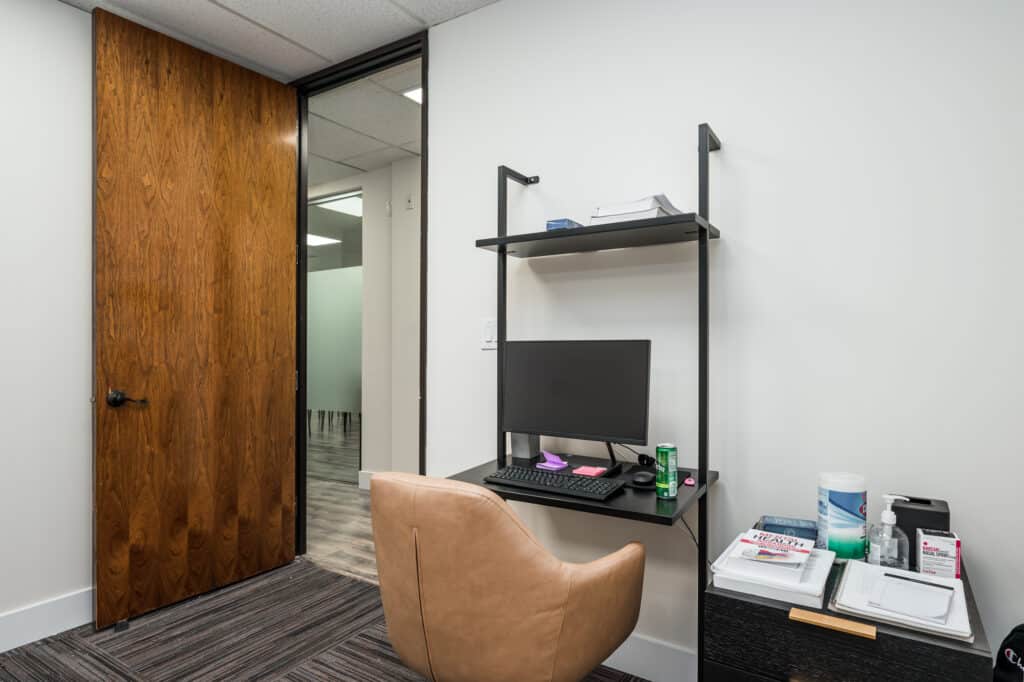
Arriving somewhere new can feel easier when you have a sense of the setting. These photographs offer a look at spaces at an Atlas intensive outpatient program location. Our admissions team can confirm where your services take place and walk you through what to expect on your first visit.
Explore spaces at an Atlas IOP location. Our team can confirm your treatment location and explain what to expect on your first visit.


Planning Treatment Around Your Responsibilities
Making time for yourself can feel complicated when other people depend on you. You may worry about work, caregiving, or explaining why your schedule needs to change. Those concerns deserve attention as we discuss what attending an intensive outpatient program would involve.
Before you begin, our team can review the required days, session times, individual appointments, and attendance expectations. Having a clear schedule helps you consider what needs to shift. Evening, weekend, or remote options should be confirmed with the specific program.
Transportation and living arrangements also affect your week. A reliable way to attend, a place to rest, and time for meals can make participation more manageable. If you need accommodation near treatment, our team can discuss supportive housing separately, including availability, requirements, and costs.
You don’t need a perfect routine before reaching out. An honest conversation about what feels manageable and what feels stretched helps us understand the practical support you may need.
Work, caregiving, and other responsibilities matter when planning IOP. Our team can review the schedule and attendance requirements. Confirm evening, weekend, or remote options with the specific program.
Consider transportation and where you’ll stay. If needed, ask about separate supportive housing, including availability, requirements, and costs.
You don’t need everything arranged before reaching out. Tell us what feels difficult so we can discuss the practical support you may need.
How Progress Guides Your Next Steps
Progress may first appear in moments that other people barely notice. You might recognize distress sooner, reach out instead of withdrawing, or respond differently during a familiar conflict. Those changes matter, even when some days remain difficult.
During an intensive outpatient program, reviewing your goals provides an opportunity to discuss both improvement and ongoing concerns. At Atlas Healthcare Group, we encourage you to be honest about what is helping and what remains hard to use outside sessions. Your experience is important information for decisions about care.
As your needs change, a different level of support may become appropriate. That could mean transitioning to outpatient treatment or considering more intensive services. The recommendation should reflect how you’re doing and explain what the change is intended to provide.
Before a transition, aftercare planning helps clarify follow-up appointments, medication arrangements when applicable, and sources of continued connection. The aim is to carry the work forward with a plan you understand and know how to use.
Small changes matter, even when some days remain difficult. Tell your Atlas care team what is helping and where you still need support.
As your needs change, your team may recommend outpatient treatment or more intensive care. You should understand why a change is recommended and what it involves.
Aftercare planning helps clarify appointments, medication arrangements when needed, and ongoing support so you leave with practical next steps.
Questions About Intensive Outpatient Care
The recommended length depends on your needs and progress. Our team can explain how treatment is reviewed and how insurance authorization may affect coverage. You deserve to understand both the clinical recommendation and the financial arrangements as you plan.
Yes, when an assessment finds that IOP is appropriate. Residential treatment is not a required first step for everyone. We’ll help you understand which setting offers the support you need now.
It is understandable to feel hesitant about discussing something personal with people you haven’t met. Your facilitator can explain participation expectations, privacy guidelines, and how sessions work. Tell them what makes you nervous so they can help you become familiar with the process.
Family participation depends on the program, your consent, and your treatment plan. We can discuss available opportunities and the kind of involvement that would feel helpful. Your preferences and boundaries belong in that conversation.
Have another question on your mind? View all FAQs for more information, or contact our admissions team to discuss your situation.
You Deserve Support With What You’re Carrying
Reaching out gives you a place to speak honestly about how things have been. At Atlas Healthcare Group, we’ll listen with compassion and help you explore whether an intensive outpatient program offers the support you need.
Our admissions team will guide you through available services, schedules, the assessment process, and insurance questions. Whether you’re seeking help for yourself or someone you love, you can start with what feels hardest to explain. We’ll take the time to understand.
Prefer to have our team contact you? Complete the form below, and a member of our admissions team will reach out to answer your questions and help you explore your options.